
Introduction
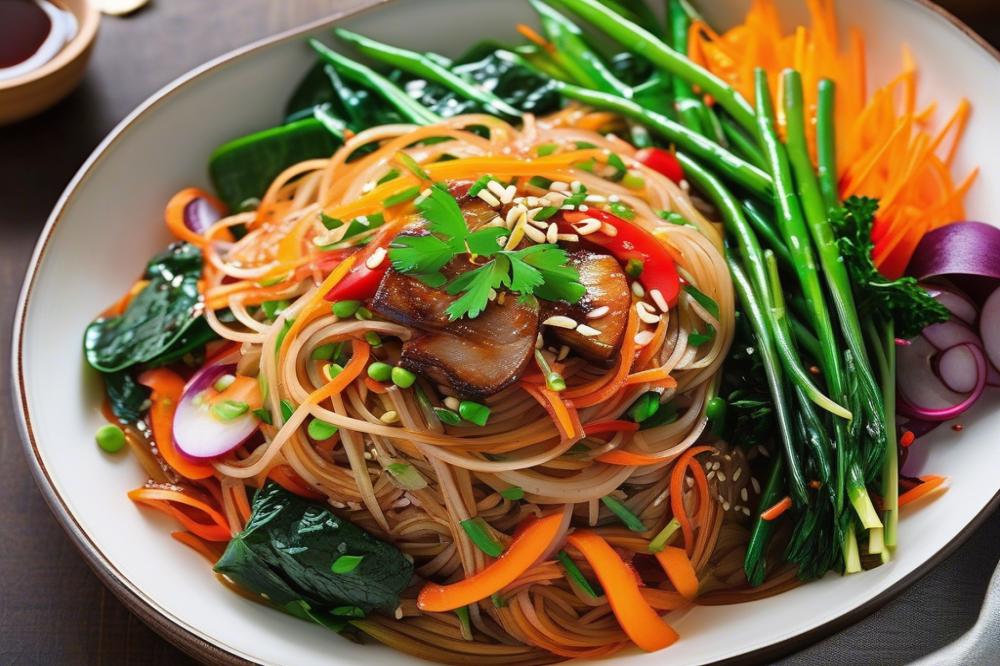
Japchae is a beloved Korean dish known for its delightful blend of flavors and textures. This stir-fry features chewy glass noodles that are often combined with a rainbow of vibrant vegetables. Each bite brings forth a harmony of sweet and savory notes, primarily enhanced by soy sauce and sesame oil. Throughout Asia, traditional recipes hold great significance, representing culture and heritage. They serve as a connection to the past, allowing families to share meals that have been cherished across generations.
The popularity of this stir-fried dish in Korean food culture cannot be overstated. Families often prepare it during special occasions, showcasing both its elegance and comfort. While many enjoy it as a side dish, it also stands out as a healthy meal on its own. Versatility plays a vital role in its appeal; cooks can easily adjust ingredients according to their preferences. This characteristic makes it approachable for anyone keen to explore Korean noodles. The array of vegetables adds a fresh touch, bringing color and nutrients to the table.
In essence, Japchae is not just food; it is an experience rooted in cultural values. As people venture into the world of Asian cuisine, they discover the joy of making traditional recipes. Each preparation is an opportunity for creativity, inviting endless variations while preserving the dish’s essence.
What is Japchae?
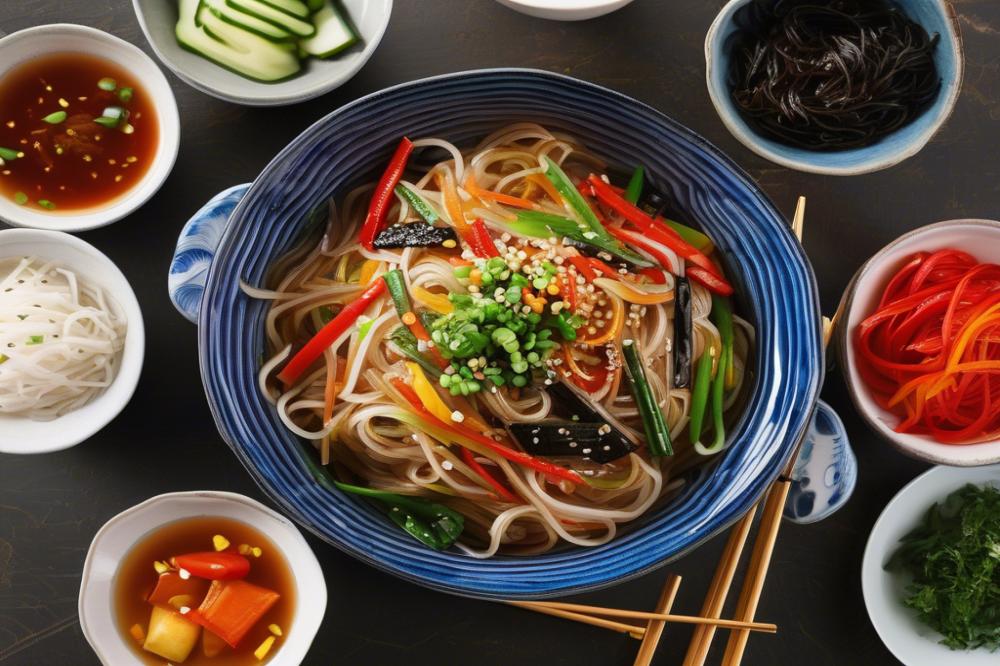
Japchae is a delightful stir-fried dish that showcases the beautiful harmony of flavors and textures found in Korean cuisine. This popular meal features glass noodles, which are made from sweet potato starch, giving them a unique translucent appearance. When cooked, the noodles become chewy and absorb the various seasonings they are paired with, making each bite a flavorful experience. The dish is often served as a side or a main course, appealing to many palates.
To create this healthy dish, a variety of colorful vegetables are used. Common ingredients include carrots, spinach, bell peppers, and mushrooms. These vegetables not only add color but also provide a range of nutrients. Soy sauce and sesame oil enhance the overall taste, bringing a rich umami flavor that complements the natural earthiness of the vegetables and the glass noodles. The contrast of textures, from crunchy vegetables to soft noodles, makes it a captivating meal.
The origins of this traditional recipe date back to the 17th century during the Joseon Dynasty. It was originally prepared for royal banquets and special occasions, showcasing the skills of the cook. Over time, Japchae became popular in everyday Korean food and is often made for celebrations like birthdays and holidays. It holds cultural significance as a dish that brings people together, symbolizing harmony and prosperity.
This stir-fried noodles creation has crossed borders, becoming a cherished part of Asian cuisine. With its balance of flavors and health benefits, Japchae is appreciated around the world. The dish reflects the essence of Korean culture, where sharing meals is a vital element of connection and togetherness.
Ingredients List and Cooking Instructions
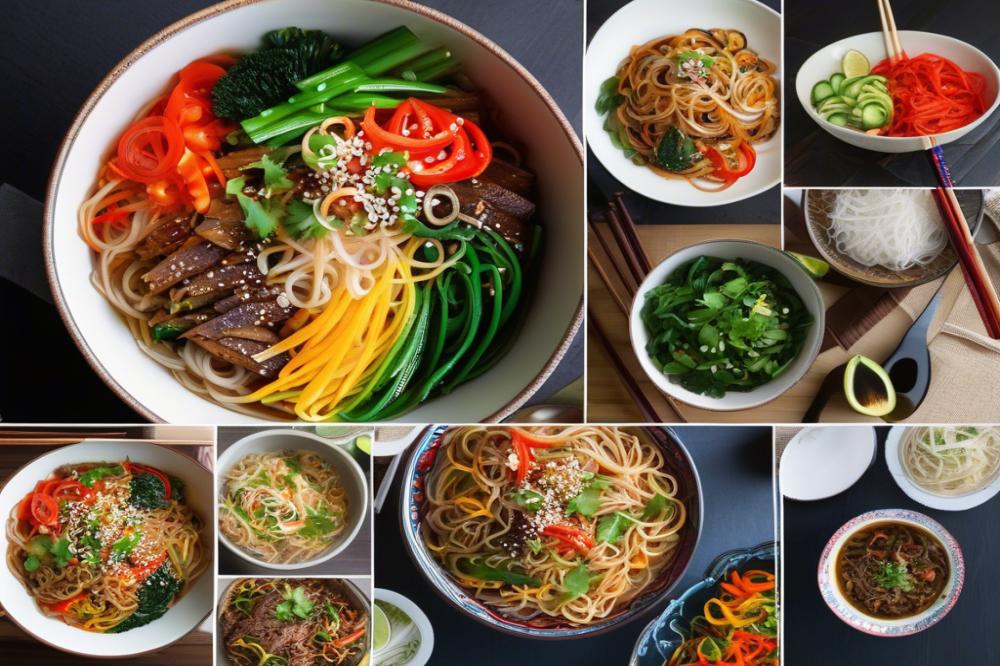
Ingredients List:
- 8 oz sweet potato glass noodles
- 1 cup fresh spinach
- 1 cup carrots, julienned
- 1 cup bell pepper, sliced
- 1 cup shiitake mushrooms, sliced
- 1 onion, thinly sliced
- 3 cloves garlic, minced
- 4 tablespoons soy sauce
- 2 tablespoons sesame oil
- 1 tablespoon sugar
- 1 tablespoon sesame seeds for garnish
- Salt and pepper to taste
Cooking Instructions:
- Begin by soaking the glass noodles in hot water for about 30 minutes. Wait until they become soft, then drain.
- Heat sesame oil in a large pan or wok over medium heat.
- Add the minced garlic and sliced onion. Sauté these ingredients until they release a fragrant aroma.
- Next, introduce the shiitake mushrooms, carrots, and bell pepper to the pan. stir-fry them until they turn tender and vibrant.
- Once the vegetables are ready, add the softened glass noodles and fresh spinach. Toss everything together evenly.
- Pour in the soy sauce and sprinkle in the sugar. Mix thoroughly to ensure all flavors blend well.
- Adjust the taste by seasoning with salt and pepper. This will enhance the dish significantly.
- Before serving, sprinkle sesame seeds on top for that finishing touch.
Nutritional Information:
Sweet potato glass noodles are low in calories and high in fiber. This makes them an excellent choice for a healthy dish. Spinach offers a rich supply of vitamins A, C, K, and iron. Carrots are high in beta-carotene and provide important antioxidants. Bell pepper delivers an excellent source of vitamin C, boosting immunity. Shiitake mushrooms contribute protein and B vitamins, rounding out this wholesome meal.
Variations of Japchae
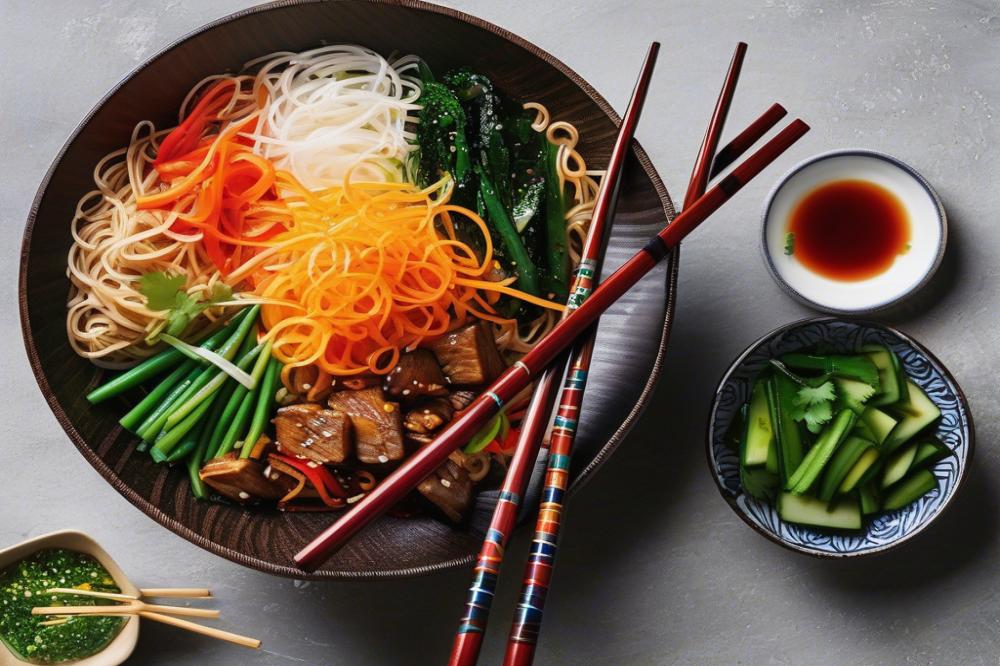
This traditional Korean recipe offers plenty of room for creativity. Many cooks enjoy experimenting with different ingredients. You can find various common variations that add twists to the classic dish. Some people like to redefine the flavor by substituting certain vegetables. For instance, you might use zucchini instead of spinach for a different taste. Others prefer to include mushrooms for an earthy touch. Carrots, bell peppers, and broccoli are also excellent choices, providing vibrant colors and nutritional value.
Adding protein can elevate the meal to a new level. Beef is the most popular option. It provides a rich flavor that blends well with the glass noodles. Slicing it thinly makes it cook quickly and evenly. Chicken is another favorite, offering a lighter taste. Tofu serves as a fantastic alternative for those who prefer plant-based proteins. Firm tofu absorbs the sauces beautifully while giving a satisfying texture.
Vegan adaptations are easy to achieve. Simply swap out any meat or animal-based ingredients for vegetables or tofu. Using soy sauce and sesame oil for seasoning keeps the dish flavorful without compromising dietary choices. Gluten-free options also appeal to those with dietary restrictions. You can find gluten-free soy sauce to use instead, ensuring the taste remains intact. The versatility of this healthy dish allows everyone to enjoy a plate of stir-fried noodles.
Serving Suggestions
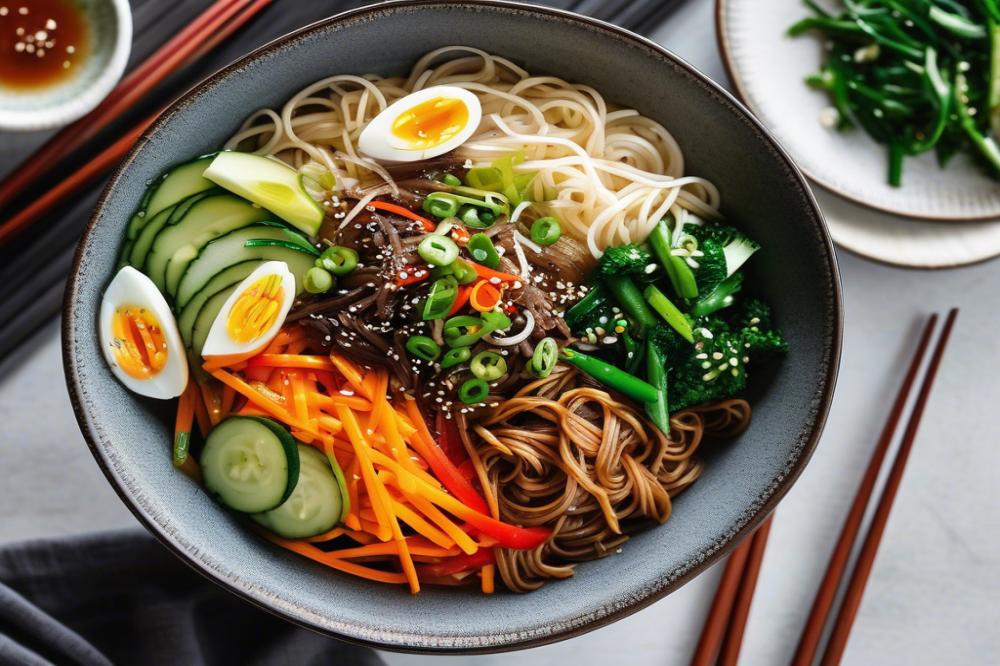
Traditional Ways to Serve Japchae
Serving this delightful dish can be quite simple. It’s commonly placed in a large bowl, allowing everyone to see the colorful components. The vibrant colors of the stir-fried noodles and fresh vegetables create an inviting presentation. Many households use small side dishes to complement it, offering a variety of flavors. Using chopsticks, diners can enjoy the noodles as they pick up bits of vegetable and beef. A drizzle of soy sauce or sesame oil can enhance the experience.
Pairing Japchae with Other Korean Dishes
Enjoying glass noodles is even better when paired with other popular Korean food items. For instance, bulgogi, which features marinated beef, makes an excellent companion. Diners often appreciate the combination of sweet and savory tastes. Kimchi also deserves a spot at the table. Its sharp, tangy flavor contrasts beautifully with the noodles. Together, these dishes create a balanced meal that showcases the broader spectrum of Asian cuisine.
Ideal Occasions for Serving Japchae
Many people find this healthy dish perfect for celebrations. Family gatherings and birthdays often feature this colorful stir-fried delicacy. It’s also popular during holidays like Chuseok, the Korean harvest festival. The traditional recipe brings warmth and joy to such occasions. Furthermore, it can serve as a great option for potlucks. Guests will appreciate this tasty and attractive dish, making it a hit at any gathering.
Final Thoughts on Japchae and Its Relevance Today
Japchae holds a special place in Korean cuisine. It symbolizes celebration and togetherness, often seen at festive occasions. This colorful dish combines the delightful chewiness of glass noodles with a variety of vegetables and savory flavors. Not only is it delicious, but it also represents comfort food for many families. The vibrant colors of each ingredient bring not just taste but also joy to the table.
Why not try making this traditional dish at home? Your kitchen could become a space where culinary creativity flourishes. With simple ingredients and straightforward methods, preparing Japchae can be an enjoyable experience. Don’t worry if you’re not an expert cook; everyone can learn. Start with basic techniques and gradually explore new variations to make it your own.
Embracing traditional recipes can enrich modern cooking. They provide insight into culture and history while connecting us to the past. These dishes often remind us of family gatherings or special celebrations. By incorporating classics like this stir-fry into your meal rotation, you help keep these cherished recipes alive. They deserve a place in contemporary kitchens alongside newer creations.
So gather your ingredients and give this dish a try. You may discover that making Japchae is more than just preparing a meal. It’s about sharing experiences, making memories, and enjoying a slice of Korean culture right in your home.

