
Introduction
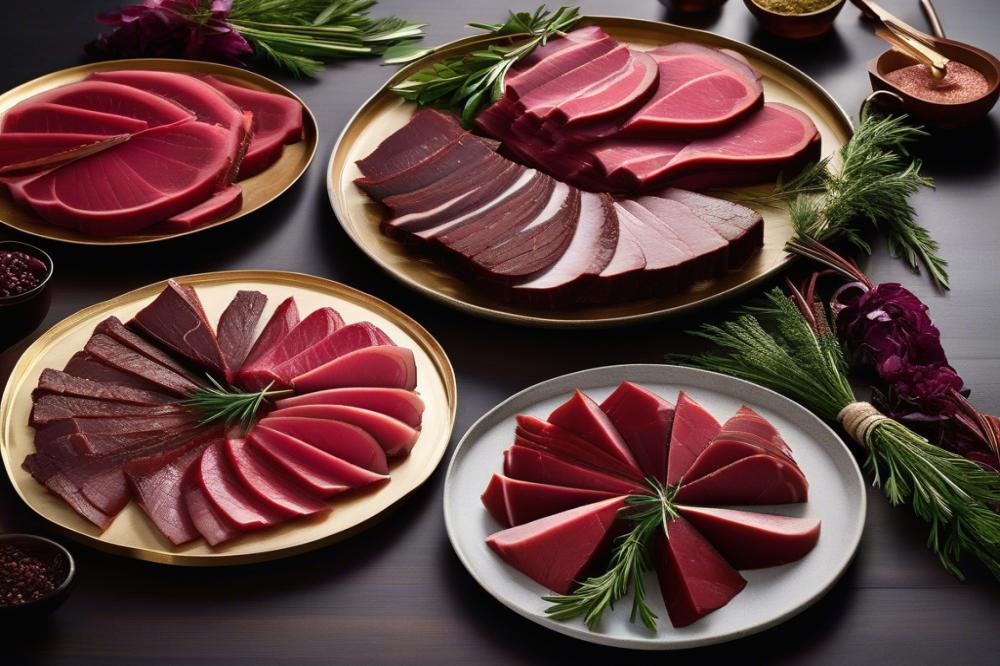
Preserving game meat through smoking has captivated outdoor enthusiasts for generations. This method not only extends the shelf life of venison but also imparts a depth of flavor that is hard to replicate. Smoking serves as a time-honored technique in food preservation, transforming fresh cuts into savory delights while maintaining nutritional integrity. The act of curing and drying meat with smoke creates a product that is both delicious and remarkably durable, crucial for those who rely on their hunting harvests.
Culturally, this practice holds significance in various communities, often linked to traditions passed down through generations. Families gather around the smoker, sharing stories while preparing meals that honor their ancestry. This collective experience fosters a sense of connection, imbuing each bite with memories and heritage. As a result, many view smoking not only as a culinary art but also as a meaningful ritual.
Turning to artisanal techniques enhances the overall quality of the game meat. Smokers today often employ wood types that offer distinct flavor profiles. A careful choice of wood can elevate the taste, transforming simple meat into gourmet fare. Such methods highlight the craftsmanship involved in outdoor cooking, where fire, smoke, and patience converge to create something truly special.
The benefits of using traditional preservation methods extend beyond flavor and freshness. Engaging in these practices promotes a sustainable approach to meat consumption. By utilizing the entire animal and experimenting with various smoking methods, hunters demonstrate respect for the game and the environment. This connection nurtures a more conscientious mindset about food sources, encouraging an appreciation for local and natural resources.
Understanding venison smoking

Smoking serves as a significant method of food preservation, particularly for those who hunt and prepare game meat. This technique involves exposing meat to smoke from burning or smoldering materials. Through this process, the venison acquires distinctive flavors while also inhibiting the growth of bacteria, which prolongs its shelf life.
Exploring smoking methods
Two primary styles dominate smoking practices: hot smoking and cold smoking. Hot smoking cooks the meat at higher temperatures, making it safe to eat immediately. This method results in tender, juicy venison infused with a deep smokiness. Conversely, cold smoking occurs at lower temperatures, requiring extended periods for flavor to develop without cooking the meat fully. This process enhances longevity and offers a uniquely textured product that can be stored for months.
The Role of curing and Drying Meat
Curing and drying meat are critical steps before the smoking process begins. Curing involves the application of salt or other preservatives to enhance flavor and combat spoilage. Drying meat further helps in moisture removal, creating an inhospitable environment for bacteria. Together, these steps lay the groundwork for successful smoking, ensuring the meat’s integrity throughout the preservation journey.
Artisanal Techniques in Flavoring Venison
Artisanal techniques add distinctiveness to the smoking process. Using various wood types, such as hickory or mesquite, can dramatically influence the flavor profile of the finished product. Spices and herbs can also be incorporated during the curing process, allowing for personalized flavor infusions. The nuances of outdoor cooking elevate venison to a delicacy that reflects both environmental surroundings and individual preferences.
This traditional method of preserving sustainable meat not only honors the craft of hunting but also celebrates the art of preparation. Engaging in these practices nurtures a deeper connection to the food while promoting a sustainable lifestyle.
Essential Ingredients for venison smoking
Traditional Smoked Venison Recipe Ingredients
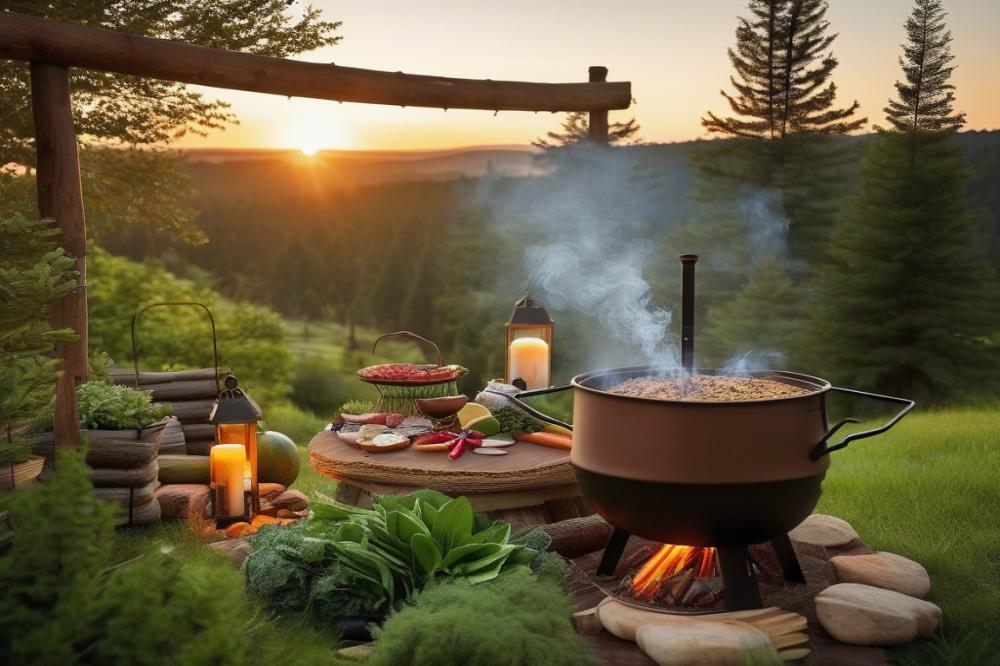
To create a flavorful smoked venison dish, several key ingredients are required. First and foremost, high-quality venison cuts make a significant difference. Cuts such as the shoulder, neck, and backstrap are prized for smoking due to their rich flavor and texture. Proper selection ensures the meat will absorb smoke essence while retaining moisture during the curing and drying process.
Venison Cuts Suitable for Smoking
Various cuts can be utilized for smoking, each bringing its distinct characteristics to the table. The brisket is excellent for its marbling, as fat contributes to a succulent final product. The hindquarter, especially the round, offers lean meat, which can be quite tender when expertly smoked. If you enjoy game meat, consider experimenting with different cuts. Each part of the deer has unique flavor profiles that can enhance the overall result.
Common Wood Types for Smoking and Their Flavor Profiles
Wood choice plays a critical role in smoking. Different types impart diverse flavors. Hickory tends to provide a strong, bacon-like taste that is robust and hearty. Mesquite offers a more intense, earthy flavor, which can sometimes overwhelm the delicate nature of venison. Applewood introduces a subtle sweetness, perfect for highlighting the natural taste of the meat. Utilizing cherry wood can add a mild fruity essence that complements the game flavor beautifully. Selecting the right wood type elevates the smoking experience, creating layers of complexity in every bite.
Additional Flavoring Agents: Spices, Herbs, and Marinades
To deepen the flavor profile, incorporate various spices, herbs, and marinades. A simple blend of black pepper, garlic powder, and smoked paprika creates a savory rub that enhances the game meat’s natural essence. Marinades can include ingredients like soy sauce, brown sugar, and vinegar for a balance of sweet and savory. Fresh herbs, such as rosemary or thyme, can be infused into the marinade or sprinkled on the meat before smoking, offering a distinct aroma. The versatility of these additional flavoring agents allows for personalization in your outdoor cooking.
Nutritional Information of All Ingredients
Understanding the nutritional content of ingredients helps in making informed choices. Venison is low in fat while being high in protein; it offers essential nutrients like iron and B vitamins, making it a healthier alternative to conventional meats. Spices and herbs such as garlic not only add flavor but also health benefits. They often contain antioxidants and can promote overall well-being. Ensuring that you appreciate the nutritional aspects enhances the appeal of sustainable meat sourcing, complementing both flavor and health.
Step-by-Step Instructions for Smoking Venison
Preparation of the Venison
Begin with the selection of high-quality game meat. Freshly hunted venison provides the best flavor profile for smoking. Start the process with proper curing. A simple mixture of salt and sugar can do wonders for flavoring while also drawing moisture from the meat. After coating the venison thoroughly, refrigerate it for at least 24 hours. This helps create a brine-like environment through which the curing process can work effectively. Consider adding spices or herbs for an enhanced taste during this step.
Marinating also presents an opportunity to elevate the flavor. Options such as soy sauce, garlic, and black pepper not only add depth but also tenderize the meat. Aim to marinate for several hours, ideally overnight. Remember to keep the venison covered in the refrigerator during this time to maintain freshness.
Setting Up the Smoker and Managing Temperature
Prepare your smoker by cleaning it thoroughly. Remove any residuals from previous uses to avoid unwanted flavors. Consider using wood chips like hickory or cherry for their unique smokiness. Soak the chips in water for about half an hour before using them; this will help produce a richer smoke.
Keep the smoker’s internal temperature between 175°F and 225°F. This range is crucial for drying meat slowly. Use a thermometer for consistency. Adding ventilation can help in maintaining the right temperature and a steady flow of smoke.
Timing for Smoking Different Cuts of Venison
Understanding the cuts of venison is vital as smoking times vary. For example, smoking a whole hind quarter may take upwards of six to eight hours, while smaller cuts like backstraps or steaks only require two to three hours. Keep an eye on the internal temperature as well. The ideal finish for venison lies around 145°F to 160°F, depending on your preference for doneness.
Patience is key when smoking. The outer layer will develop a beautiful smoke ring that indicates proper cooking. Avoid the temptation to rush the process; allowing the smoke to penetrate deeply is what sets apart artisan methods from standard techniques.
Tips for Achieving Optimal Flavor
Experimentation with different wood types can yield distinctive results. Each wood brings its own flavor profile, enhancing the overall taste of the final product. Adding herbs like rosemary or thyme to the smoking chips can also contribute aromatic notes to the meat.
Regularly monitor the smoke. An overpowering amount can lead to bitter flavors, while too little will give a lackluster result. Find a balance that complements the meat without overwhelming it.
Finally, let the smoked venison rest after cooking. This step allows juices to redistribute, enhancing texture and flavor. Slicing right after smoking can result in dryness. Allowing it to cool for a while will lead to a superior culinary experience.
Pairing and Serving Smoked Venison
Suggestions for Accompaniments and Sides
Smoked venison pairs beautifully with a variety of accompaniments. Consider seasonal vegetables roasted over an open fire. They add earthy flavors that enhance the richness of game meat. A hearty potato salad or a crisp coleslaw can provide a refreshing contrast. Additionally, pickled vegetables offer a nice acidity that cuts through the fat. Whole grain mustard, served on the side, complements the smoky notes perfectly. Crispy bread, perhaps a rustic sourdough, can serve as a base for your venison slices.
Best Practices for Enjoying Smoked Venison
Proper serving techniques elevate the experience. Slice the venison thinly against the grain. This method enhances tenderness and improves mouthfeel. Warm meat slightly before serving to amplify the flavors. When presenting, arrange the slices artfully on a wooden board or a platter. Garnish with freshly chopped herbs like parsley or thyme for added visual appeal. Sharing the dish among friends encourages a communal atmosphere that enhances enjoyment. Remember, the experience is as crucial as the flavors themselves.
Recipes that Incorporate Smoked Venison
Many recipes can showcase smoked venison’s robust flavor. One popular option is a smoked venison chili, where the meat adds depth. Combine smoked venison with beans, tomatoes, and spices for a hearty meal. Another delightful recipe is smoked venison quesadillas. Pair the meat with cheese and sautéed peppers, grilling them to caramelize the flavors. For something lighter, consider a smoked venison salad. Toss mixed greens, nuts, and fruit with a vinaigrette for a refreshing dish. Each recipe highlights artisanal techniques and respects the traditional methods of food preservation.
Pairing Ideas with Beverages
Selecting the right beverage can enhance the experience of smoked venison. Bold red wines, such as Cabernet Sauvignon or a good Malbec, stand up well to the rich flavors. For beer enthusiasts, consider a robust stout or porter. Their roasted characteristics complement the smoky notes beautifully. On the lighter side, a crisp lager can provide a refreshing balance. If looking for non-alcoholic options, try a refreshing iced tea with a hint of lemon. Ultimately, finding the right pairing makes for a memorable meal, highlighting the joy of outdoor cooking and hunting traditions.
Benefits of Traditional Smoking Methods
Traditional smoking methods offer a rich tapestry of benefits that enhance both the preservation and enjoyment of venison. Achieving flavor complexity through these artisanal techniques is a remarkable aspect of the smoking process. The dance of smoke and meat infuses a variety of flavors ranging from sweet to savory. Different types of wood impart unique characteristics to the game meat, creating a depth that is difficult to replicate with modern methods. This culinary art not only enhances taste but also contributes to the overall texture of the final product.
Another important factor to consider is the nutritional advantages of preserved venison. Curing and drying meat through smoking can elevate the protein content while reducing moisture levels, which helps in preservation. By removing moisture, the chances of spoilage decrease significantly. Additionally, the smoking process can introduce beneficial compounds that contribute to health and well-being, making game meat a nutritious choice for those who enjoy outdoor cooking.
Environmental impact plays a crucial role in sustainable meat practices. Choosing traditional smoking and preservation methods can promote responsible hunting and meat consumption. Using local wood sources and minimizing waste fosters an eco-friendly approach. By honoring the land through these methods, hunters contribute to the preservation of ecosystems. Incorporating sustainable practices into the preparation of game meat resonates with a growing movement towards environmental stewardship in the culinary world.
Outdoor cooking and hunting culture intertwine seamlessly with the tradition of smoking meat. For many, the act of preparing and preserving venison is a rite of passage, steeped in family history and heritage. Gathering around a smokehouse evokes memories of shared meals and storytelling, reinforcing community ties. The connection to nature fosters an appreciation for the hunt and the food it provides, lending a sense of purpose to the act of preservation. Engaging in these time-honored practices enriches the experience, making it more than just a method of food preservation.
Final Thoughts on Preserving Venison through Traditional Smoking Techniques
Summarizing the vital aspects of preserving venison showcases the importance of traditional smoking methods. Historically, these techniques have allowed people to enhance flavors while extending the meat’s lifespan. The interplay between smoke, wood types, and time contributes substantially to the character of the final product. Not only does this process enhance preservation, but it also cultivates a connection to culinary heritage that can be deeply satisfying.
As you delve into your own smoking adventures, consider this your invitation to explore various techniques and flavors. Experimentation fosters creativity in the kitchen. You might find joy in trying different wood combinations, varying the curing process, or adjusting your smoking times. Each batch you produce can lead to new discoveries and personal preferences.
With sustainability in mind, consider your carbon footprint while preserving meat. Supporting local farmers and utilizing wild game are excellent practices that contribute to ecological balance. Additionally, minimizing waste and being mindful of resources can amplify the positive impact of your culinary endeavors.
Ultimately, smoking is more than a method; it’s a journey into rich flavors and timeless techniques. Whether you are a seasoned chef or a curious novice, let your passion guide you. Embrace traditional preservation methods to enhance your culinary experience while respecting the environment. Your next meal doesn’t only nourish your body but also connects you to generations before you. Happy smoking!

