Introduction
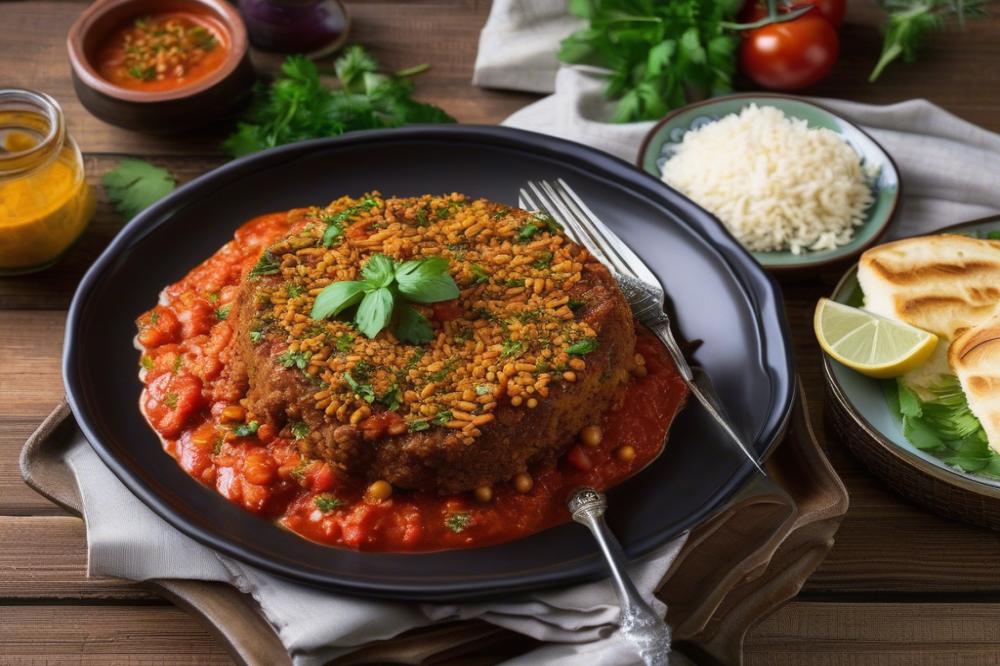
Moroccan cuisine is a vibrant tapestry woven from a rich history and diverse influences. It features elements from the Mediterranean, as well as flavors that come from Africa and the Middle East. A wide array of hearty dishes fills Moroccan tables, each telling its own story through taste. Meals often center around a tagine, a traditional cooking vessel, which allows for slow-cooked stews full of depth and aroma.
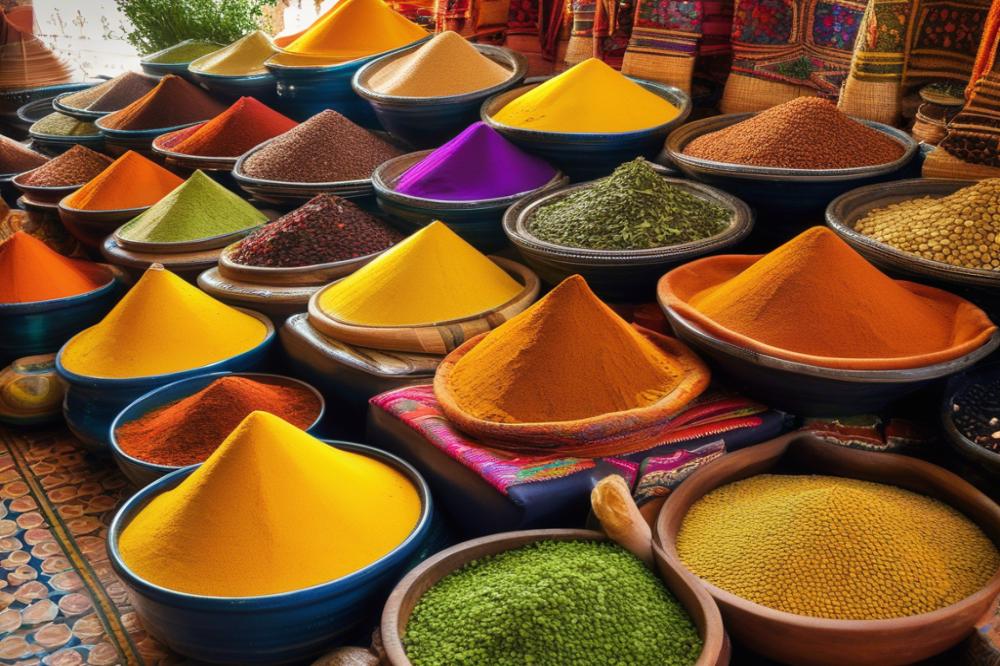
Herbs and spices play a pivotal role in creating the unique flavors that define this cuisine. They invigorate dishes and bring out the best in each ingredient. From warm cinnamon to spicy ginger, the range is vast. Some spices add heat, while others contribute sweetness or earthiness. Without these seasonings, Moroccan dishes would lack the character that makes them so beloved.
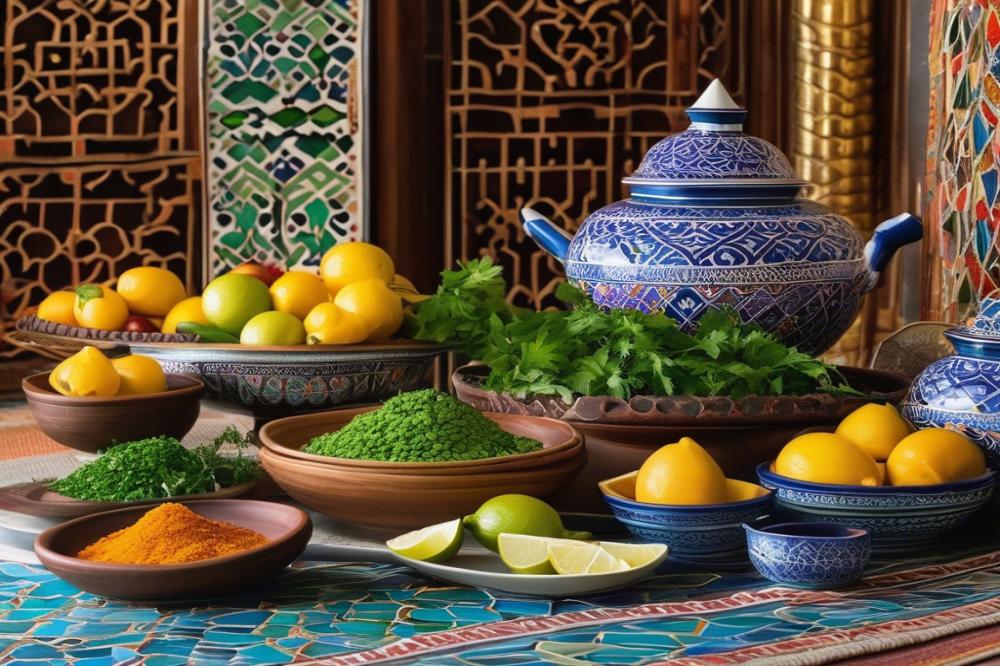
Among the many ingredients cherished in Moroccan food culture, Cilantro and Preserved Lemon stand out as essential components. Cilantro adds a fresh, herbaceous quality that brightens any salad or stew. On the other hand, Preserved Lemon offers a tangy, salty punch that can transform a simple dish into something extraordinary. Both ingredients are staples in traditional recipes, showcasing the importance of flavor in every bite. Each dish becomes an invitation to explore the depth and complexity of Moroccan cooking.
Cilantro: A Flavorful Herb
This herb adds a bright and refreshing twist to many dishes. Its vibrant green leaves are not only visually appealing but also packed with flavor. Known for its aromatic presence, it stands out in both fresh and cooked forms. It thrives in various climates, often found in the Mediterranean region. Many enjoy its distinctive taste that varies from person to person. Some people adore it, while others might find its flavor overpowering.
In Moroccan cuisine, this herb plays a crucial role. It finds its way into numerous recipes, enriching them with freshness. For instance, you will often see it in tagine, a slow-cooked stew, where it complements the spices beautifully. When added to salads, this herb invigorates the dish, enhancing its overall appeal. It’s also common in sauces like chermoula, which pairs wonderfully with grilled meats and fish. The herb transforms ordinary meals into exciting culinary adventures.
This potent herb boasts several nutritional benefits. Full of vitamins A, C, and K, it contributes to a healthy diet. Antioxidants within it may help fight inflammation. Additionally, research suggests it might aid in digestion. Incorporating it into meals can be beneficial for overall health. Its presence in dishes not only elevates the flavor but also adds nutritional value.
Cilantro’s role in enhancing traditional recipes cannot be overstated. It harmonizes beautifully with various spices, common in Moroccan cooking techniques. When combined with garlic and cumin, it creates a signature taste that defines many local dishes. Its addition to tagines often balances the richness of meats and vegetables. Chefs and home cooks alike rely on this herb to elevate their dishes. Recipes that include it often reflect the vibrant food culture of Morocco.
Preserved Lemon: A Unique Ingredient
What is preserved lemon?
Preserved lemon is a staple in Moroccan cuisine. This ingredient consists of lemons that have been salted and fermented in their own juices. The result is a tangy, rich flavor that is unlike anything fresh lemons can offer. With a vibrant yellow hue, these lemons add a burst of citrusy depth to many dishes. Often, they are cut into wedges or slices, making them easy to incorporate into various meals.
How preserved lemon is made
The process of making preserved lemon is quite simple. Lemons are coated in plenty of coarse salt, which draws out their juices. Then, they are placed in a jar, layered with more salt and spices like cinnamon or bay leaves. After that, the jar is sealed and left to ferment at room temperature for several weeks. Over time, the lemons soften and develop a unique flavor profile. The method reflects traditional recipes passed down through generations, showcasing the Mediterranean influences in Moroccan food culture.
Culinary applications in Moroccan cuisine
In Moroccan cooking, preserved lemon is used in diverse dishes. Tagines, slow-cooked stews, often feature this ingredient, enhancing their rustic flavors. Chopped into salads, they brighten fresh vegetables and herbs, creating balance. Additionally, preserved lemons can flavor sauces, soups, and even couscous. Their bold taste works well with various spices, complementing the rich aroma of Moroccan meals. Many cooks view preserved lemon as an essential element that elevates each dish.
Nutritional benefits of preserved lemon
Besides their culinary uses, preserved lemons also offer nutritional advantages. They are rich in vitamin C, which supports the immune system. The fermentation process boosts digestive health through the inclusion of probiotics. Furthermore, they contain antioxidants that can help fight free radicals in the body. Consuming this fermented product may also aid in detoxification. With every bite, you receive both flavor and health benefits, making it a valuable addition to any kitchen.
Classic Moroccan Recipes Featuring Cilantro and Preserved Lemon
Ingredients for Moroccan Tagine with Chicken and Preserved Lemon
- 4 chicken thighs, skinless
- 2 tablespoons olive oil
- 1 large onion, chopped
- 3 cloves garlic, minced
- 1 teaspoon ground ginger
- 1 teaspoon ground cumin
- 1 teaspoon turmeric
- 2 cups chicken broth
- 1 preserved lemon, sliced (rind only)
- 1/4 cup green olives, pitted
- Fresh parsley for garnish
- Salt and pepper to taste
Ingredients for Moroccan Salad with Cilantro and Preserved Lemon
- 1 large cucumber, diced
- 2 tomatoes, diced
- 1 small red onion, finely chopped
- 1/2 cup fresh parsley, chopped
- 1 preserved lemon, pulp removed and finely chopped
- 3 tablespoons olive oil
- 2 tablespoons lemon juice
- Salt and pepper to taste
Cooking Instructions for Moroccan Tagine with Chicken and Preserved Lemon
- Heat olive oil in a tagine or heavy pot over medium heat.
- Add the chopped onion and garlic. Sauté until softened, about 5 minutes.
- Stir in the ground ginger, cumin, and turmeric. Cook for another minute.
- Place the chicken thighs into the pot. Brown them on both sides for about 5 minutes.
- Pour in the chicken broth. Bring to a simmer.
- Add the preserved lemons and olives. Season with salt and pepper.
- Cover the tagine and let it cook for 30-40 minutes. The chicken should be tender.
- Once cooked, serve hot, garnished with fresh parsley.
Cooking Instructions for Moroccan Salad with Cilantro and Preserved Lemon
- In a mixing bowl, combine the diced cucumber, tomatoes, and red onion.
- Add the freshly chopped parsley.
- Mix in the finely chopped preserved lemon.
- Drizzle the olive oil and lemon juice over the salad. Season with salt and pepper.
- Toss gently until everything is well combined.
- Let the salad sit for 10 minutes to allow the flavors to meld.
- Serve chilled or at room temperature.
Nutritional Information
Moroccan Tagine with Chicken and Preserved Lemon:
Per serving (1 chicken thigh): 300 calories, 18g fat, 8g carbs, 26g protein.
This dish is rich in protein and packed with flavor thanks to the herbs and spices used.
Moroccan Salad with Cilantro and Preserved Lemon:
Per serving: 120 calories, 8g fat, 12g carbs, 2g protein.
This refreshing salad contains healthy fats and is low in calories, making it a great side dish!
Cooking Techniques in Moroccan Cuisine
Moroccan cuisine is rich and diverse, rooted in a variety of traditional cooking methods. Often, these techniques are passed down through generations, reflecting the vibrant food culture of the region. One notable method involves slow-cooking, which allows flavors to deepen and meld together beautifully.
Significance of Tagine in Moroccan Cooking
The tagine is a clay cooking vessel that defines Moroccan cuisine. Its conical lid traps moisture, creating an ideal environment for simmering stews. Dishes prepared in a tagine often feature a mix of meats, vegetables, and rich spices. This slow cooking enhances the depth of flavor, making every bite memorable. Tagines can be made with various ingredients, making them a staple in numerous traditional recipes.
Pairing Herbs and Spices with Cooking Techniques
In Moroccan dishes, herbs and spices play a vital role in creating authentic flavors. Cumin, coriander, and saffron are commonly used. Each herb is carefully selected to complement the cooking techniques involved. For instance, herbs are often added near the end of cooking to retain their vibrant flavor and aroma.
Salads in Moroccan cuisine also showcase this attention to pairing. Ingredients like tomatoes, olives, and onions come together with a drizzle of olive oil and a sprinkle of spices. These fresh salads serve as a refreshing contrast to the rich, often hearty tagine dishes.
Combining these elements enhances the overall dining experience. Slow cooking in a tagine and strategic use of herbs allow cooks to highlight the Mediterranean influences that weave through Moroccan culinary traditions. Each meal tells a story of culture, geography, and history through its unique preparation and presentation.
Exploring Moroccan Food Culture
Moroccan cuisine is a vibrant tapestry of flavors and aromas. Culinary traditions reflect a blend of Berber, Arab, and Mediterranean influences. Meals are often a celebration, bringing families and friends together. At the heart of cooking are unique herbs and spices. Tagine dishes simmer slowly, allowing flavors to meld beautifully. Cooking techniques vary widely, from grilling on open flames to slow-roasting meats. Each method contributes to the overall taste and texture of the food.
Mealtime customs are rich and communal. People gather around a large plate, sharing dishes like fragrant couscous and hearty stews. Salads serve as a refreshing contrast to richer foods. Often, herbs brighten these dishes, adding freshness. The act of eating becomes a shared experience, creating bonds among those at the table. Maintaining traditions during meals is essential. They foster connections not just to family but also to cultural identity.
The presence of preserved lemon plays a prominent role in social settings. This ingredient adds a tangy and salty flavor to various dishes. It enhances tagine recipes and salads alike. In gatherings, it symbolizes hospitality. Offering food enriched with these flavors creates a warm atmosphere for guests. Guests often leave feeling satisfied and appreciated for the warm welcome they received.
Incorporating Mediterranean influences has shaped Moroccan food culture significantly. These influences brought new ingredients and techniques to the region. Olive oil, fresh vegetables, and grains are staples in homes. Spices from across the sea further enrich traditional recipes. This blending makes Moroccan cuisine distinct yet familiar. Aromatic dishes entice anyone who encounters them, inviting exploration and open-mindedness towards unique taste experiences.
Wrapping Up the Journey
Recap of Key Ingredients
Moroccan cooking showcases a vibrant palette of flavors, and no two ingredients shine quite as brightly as cilantro and preserved lemon. These elements are not just simple accessories; they are essential to the enchanting aroma and taste of many traditional dishes. The fresh and zesty notes of cilantro complement the tangy and concentrated flavors of preserved lemon. Together, they create an unforgettable experience that defines Moroccan cuisine.
Explore These Ingredients at Home
Consider adding these ingredients to your cooking routine. Imagine the flavor profiles that cilantro brings to a tagine or the brightness that preserved lemon lends to a salad. Experimenting with herbs in everyday dishes can elevate simple recipes into something extraordinary. It’s easy to start small. A sprinkle here or a touch there can make a world of difference.
Discover More Traditional Recipes
The story of Moroccan culinary tradition is rich and inviting. Countless recipes await your exploration, from spiced stews to fragrant couscous. Each dish tells a tale, with hints of history and culture. Dive into the world of Moroccan cooking and try out new recipes that highlight these essential ingredients. Not only will you enjoy the delicious outcomes, but you will also deepen your appreciation for a unique culinary heritage.