Breads of Morocco: From Khobz to Msemen
Moroccan bread plays a vital role in the country’s cuisine, serving as a staple for meals and gatherings. Each type of bread is crafted with specific recipes and baking techniques that have been passed down through generations. These traditions reveal much about the culture and daily life of the Moroccan people. For instance, a daily meal is often incomplete without a piece of traditional bread to accompany it.
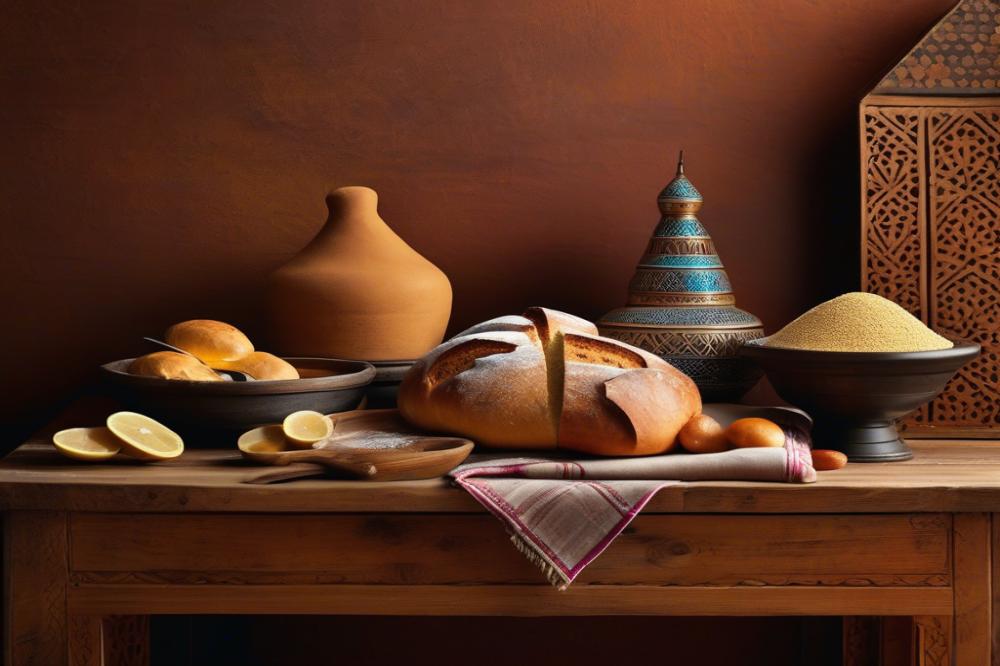
Among the most popular varieties, Khobz stands out as a beloved household bread. Typically round and baked in a communal oven, it is made from wheat flour and enjoyed with almost every meal. The texture can range from crispy on the outside to soft within. Another favorite is Msemen, a flaky flatbread that is often served at breakfast. This bread is made from semolina and water, folded with oil during preparation to achieve its layered structure.
Throughout Morocco, the methods of making bread vary by region. Ingredients often include yeast, which is essential for creating a light texture. Every household may have its own recipes, passed down lovingly through family traditions. Community gatherings often highlight these breads, symbolizing hospitality and unity. Sharing a meal that includes freshly baked bread fosters connection, making it an important part of Moroccan hospitality.
Whether it’s enjoying Khobz with a hearty tagine or savoring Msemen with honey for breakfast, these breads exemplify the flavors and warmth of Moroccan cuisine. The diversity among breads is a testament to the rich culinary heritage found within the country. Honoring the methods and ingredients used in traditional preparations truly reflects the cultural significance of these foods.
Moroccan bread Varieties
Khobz
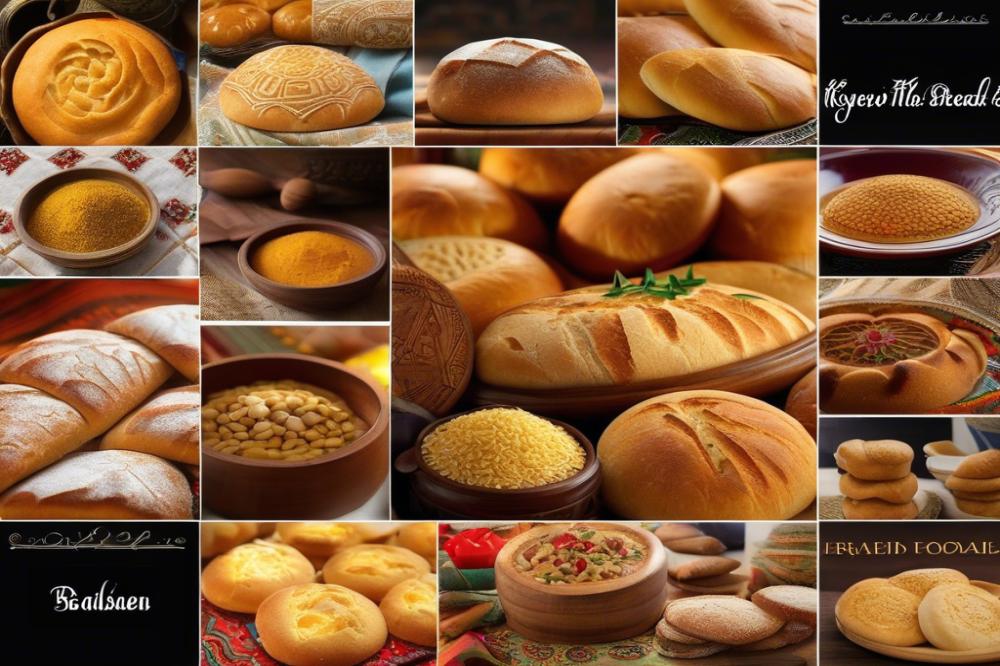
Khobz is perhaps the most recognized type of traditional bread in Morocco. This round loaf is commonly made with a mix of white flour, semolina, and a pinch of salt. Yeast plays a key role in helping the dough rise, creating a soft texture that many love.
The baking techniques used for Khobz are quite interesting. Often, this bread is baked in a clay oven known as a ‘faran’. This type of oven generates a lot of heat, which is perfect for creating a beautiful crust. People often bake Khobz during special occasions or family gatherings, making it a staple during meals.
Msemen
Msemen is another popular choice and can be found throughout Moroccan cuisine. This flatbread is characterized by its flaky layers and golden exterior. Cooked on a hot griddle, it is a breakfast bread enjoyed by many. Its preparation involves kneading the dough and folding it multiple times to create those distinct layers.
Occasionally, Msemen is served with honey or jam, enhancing its flavor. Cultural significance surrounds this bread, as it is often made during festive occasions or family events. Recipes for Msemen may vary, but they all share the delightful texture and irresistible taste.
Other Varieties
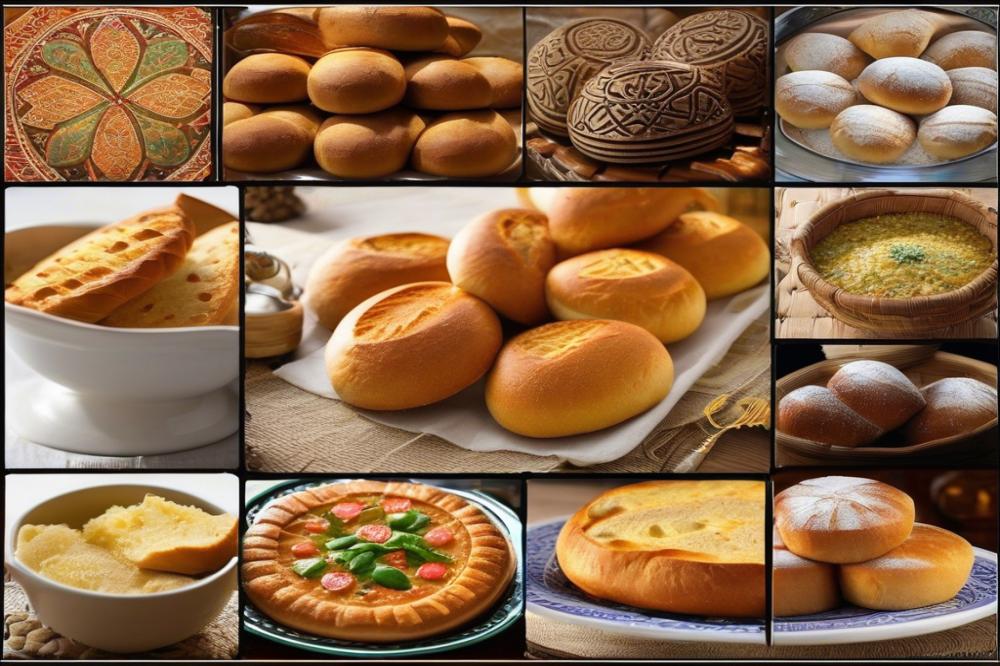
Alongside Khobz and Msemen, there are many other breads to enjoy. Batbout, for example, is a fluffy pocket bread that people often fill with various ingredients. Rghayif, on the other hand, offers a unique taste due to its slightly crispy exterior and soft inside. Different regions might have their own variations, contributing to the diversity of Moroccan dishes.
These breads often accompany meals, enhancing the overall dining experience. They not only satisfy hunger but also bring people together at the table. The rich history and variety of recipes highlight the importance of bread in everyday life in Morocco.
Classic Moroccan Bread Recipe
Ingredients
For Khobz:
- 3 cups all-purpose flour
- 1 cup water
- 2 teaspoons of yeast
- 1 teaspoon salt
- ½ cup semolina
For Msemen:
- 2 cups flour
- 1 cup semolina
- 1 cup water
- 1 teaspoon salt
- 2 teaspoons of yeast
Nutritional Information
Using all-purpose flour provides energy and is a good source of carbohydrates. This nutrient is crucial for daily activities. Water keeps the dough hydrated and aids in digestion. Yeast plays an important role as it helps the bread rise, contributing to better digestion too. Salt is essential for flavor but should be consumed in moderation. Semolina, which is high in fiber, aids digestive health and helps with weight management. Msemen, a type of flatbread, also benefits from semolina, which can lead to a hearty breakfast choice.
Cooking Instructions
To make Khobz, begin by mixing the flour, semolina, salt, and yeast in a large bowl. Slowly pour in the water. Stir until a dough forms. Knead the mixture on a clean surface for about 10 minutes. This step is vital for developing gluten, which gives the bread its chewy texture. Allow the dough to rise in a warm area for about an hour.
Once it doubles in size, punch the dough down. Divide it into equal portions, typically about 4-6 pieces. Shape each piece into a round loaf, flattening it slightly. Transfer the loaves to a baking tray and let them rise again for 30 minutes.
For baking, preheat your oven to 450°F (232°C). Bake the loaves for 20 minutes or until golden brown. Cool on a rack before serving.
For Msemen, start similarly by combining flour, semolina, salt, and yeast. Gradually add water while mixing until a dough forms. Knead this dough for 8-10 minutes until it is smooth. Afterward, cover it and let it rest for about 30 minutes to 1 hour.
Once rested, divide the dough into smaller balls. Roll each ball into a thin layer, then fold it into a square or rectangle shape. This folding creates layers similar to pastry. Heat a non-stick skillet over medium heat. Cook each piece for a couple of minutes on each side until they are golden brown and crisp.
Thus, both types of traditional bread showcase the rich culinary traditions found in Moroccan cuisine. The crafting of Khobz and Msemen not only nourishes but also symbolizes shared meals and community.
Baking Techniques and Tips
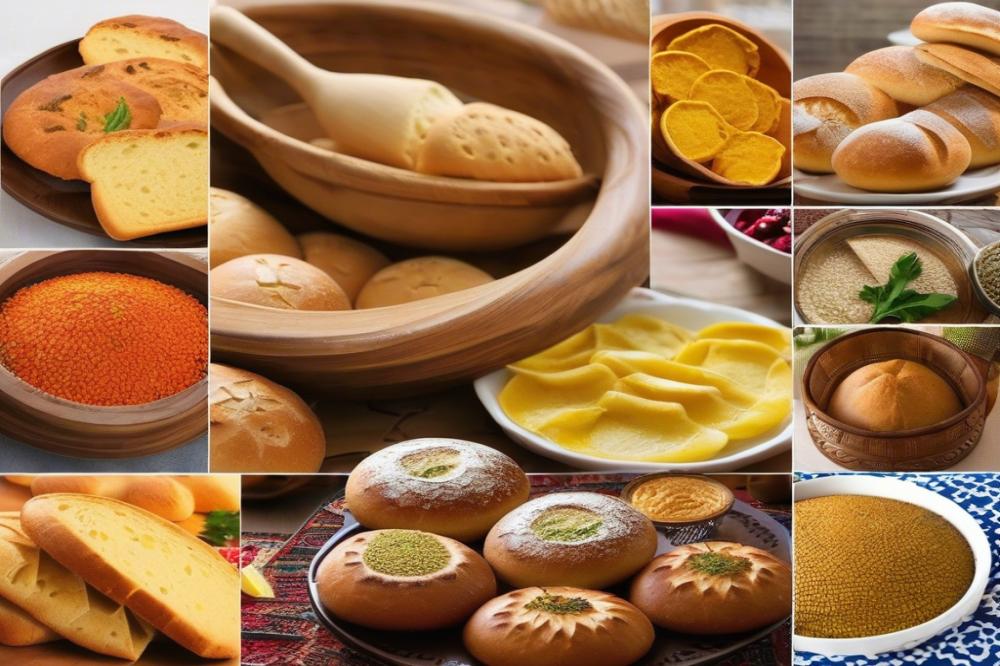
Moroccan households boast a variety of traditional baking methods. These unique techniques give each bread a distinct flavor and texture. The use of the tagine for baking is common. This earthenware pot retains heat well, cooking bread evenly. Many families gather around communal ovens known as furan. Neighbors take turns using these ovens, sharing both space and warmth.
Preparation times can differ greatly among various recipes. For example, traditional bread often requires longer resting periods for the dough to rise. Msemen, on the other hand, is prepared quickly and may be ready within an hour. Using semolina can change the texture of the final product. This ingredient gives the flatbread a pleasant chewiness. Yeast plays a critical role in achieving a fluffy rise in many types of bread.
When baking, one must consider the cultural significance of each bread. For many, breakfast bread is not just a meal; it represents family and tradition. A few tips can help one master the art of Moroccan bread-making. Begin by measuring ingredients accurately. Using warm water is crucial for activating the yeast properly. Knead the dough well to develop gluten, which gives the bread structure.
For those seeking the perfect texture, let the dough rest adequately. This allows the flavors to develop and the yeast to work its magic. When baking in a tagine, preheat it thoroughly. A hot tagine will create a lovely crust on the outside of the bread while keeping it soft inside. Monitor baking times carefully, as they can vary based on heat source and dough thickness.
Flipping the bread halfway through baking ensures even cooking on both sides. Learning to recognize visual cues, like a golden color, can signal that the bread is ready. Lastly, allow the bread to cool slightly before serving. This enhances its flavor and makes it more enjoyable to eat. With these baking techniques and tips, anyone can create delicious Moroccan bread at home.
Cultural Significance of Moroccan Bread
Bread holds a significant place in Moroccan society and daily life. It acts as a symbol of hospitality and warmth. When guests arrive, offering bread is a common gesture that shows care and respect. Sharing food, especially bread, is deeply rooted in Moroccan culture. This practice strengthens family ties and friendships.
Different occasions call for specific types of bread. For instance, during Ramadan, the atmosphere changes. Families break their fast with a special meal that often features traditional bread. It brings everyone together at the table. The sharing of meals is vital during this holy month, reinforcing community bonds.
Family gatherings also highlight the importance of bread. Whether it’s a wedding or a simple get-together, bread is present. Often, flatbread and Msemen are served alongside various dishes. These breads accompany meals made with rich flavors, enhancing the dining experience.
Regional variations greatly influence bread recipes in Morocco. Each area has its unique take on traditional bread, reflecting local ingredients and baking techniques. In the north, for example, some might prefer breads made with semolina, while in other regions, yeast-based options may be more common. These differences showcase the diversity of Moroccan cuisine.
Moreover, breakfast bread has its own significance. Many Moroccans start their day with fresh bread, paired with honey or jam. The aroma of baking bread wafting through homes creates a warm and inviting atmosphere. This simple routine adds to the richness of daily life.
Final Thoughts on the Breads of Morocco
The diversity of breads in Morocco reflects a rich tapestry of culture and tradition. Each type of bread, from khobz to msemen, carries a story that connects past generations to the present. The flavors and textures of these loaves offer a glimpse into the heart of Moroccan cuisine. Flatbread, enjoyed in various forms, serves as both a staple food and a cherished part of social gatherings.
Preserving traditional baking practices is essential. These methods not only keep recipes alive but also foster community connections. Families often gather to prepare bread together, sharing knowledge and skills passed down over many years. This bonding experience enriches relationships and strengthens cultural identity.
Exploring the art of making these breads at home can be rewarding. It allows for a deeper appreciation of the craft involved. Trying out the provided recipes might lead to delightful surprises in your kitchen. Serving freshly baked khobz or soft, flaky msemen can turn a regular meal into a festive occasion. Encouragement is found in the rhythm of kneading dough and the satisfaction of pulling warm bread from the oven.
Overall, the breads of Morocco are far more than mere accompaniments to meals. They symbolize hospitality, sharing, and tradition. As you take steps to create these unique recipes at home, you join in the continued celebration and preservation of Moroccan culture. Every loaf you bake tells a story, adding your own chapter to this timeless culinary journey.